
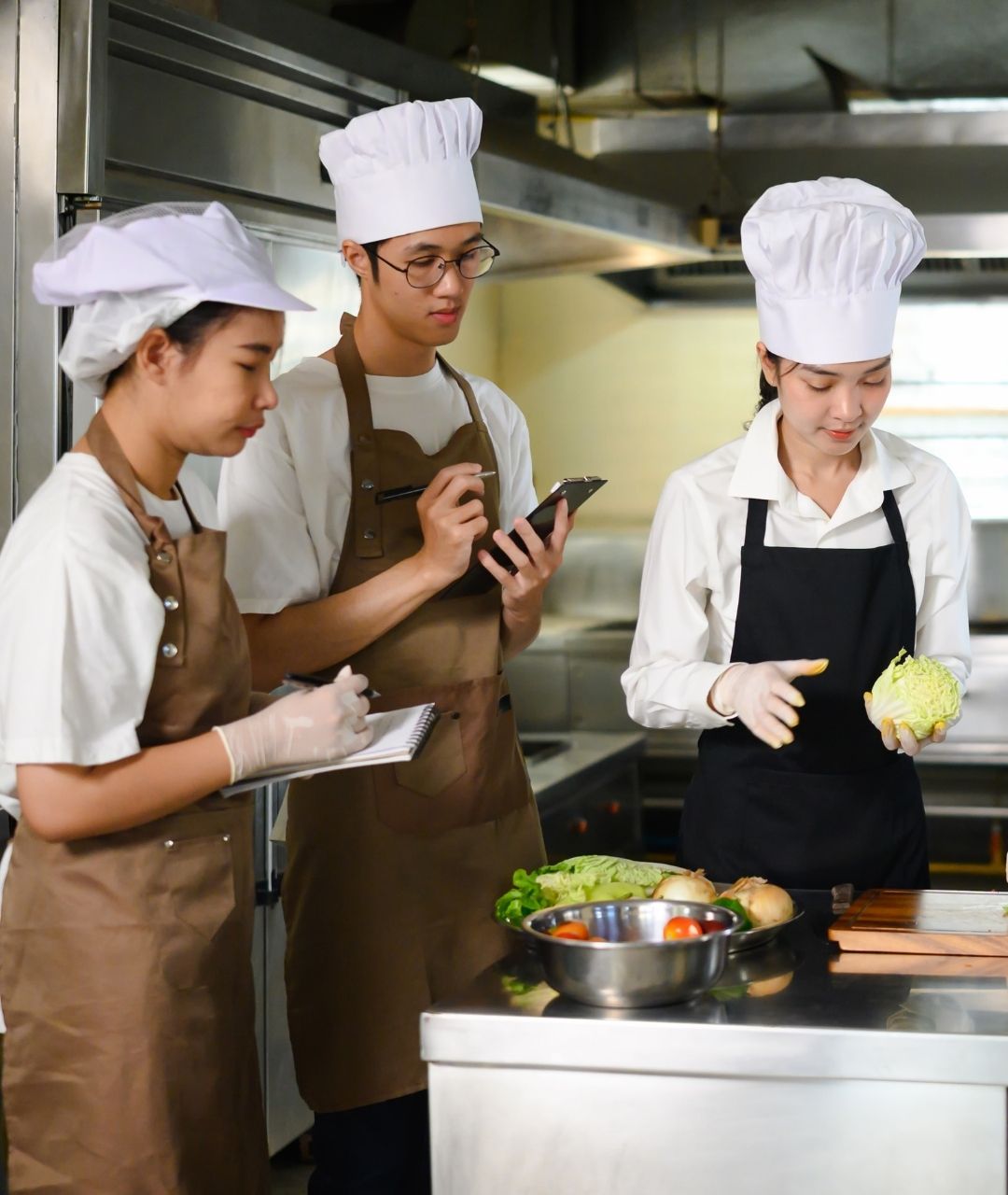
Aveqia (Hospitality) & Apicius (Culinary Arts)

Building the Next Generation of Culinary and Hospitality Leaders

For Teachers

Inspire and guide students through hands-on learning. 

For Students

Discover your passion and build real-world skills. 

For Industry

Share your expertise and help shape future professionals.

About the Programs

Through Aveqia (Hospitality) and Apicius (Culinary), students gain hands-on learning aligned with Virginia’s SOLs and CTE standards.

Each pathway follows a five-stage model: Awareness, Discovery, Exploration, Immersion, and Mastery. These programs prepare students for life, college, and career through real-world learning and credentialing opportunities.

Aveqia introduces students to the world of hospitality—customer service, guest experience, event planning, and tourism—while Apicius explores culinary arts, baking, nutrition, and food entrepreneurship. Both programs function as stand-alone offerings that fit within existing SOL and CTE structures.

Six-Week Learning Framework:

Each program is structured around six-week instructional cycles that emphasize academic integration, hands-on practice, and reflection. These cycles build continuity throughout the academic year and across grade levels, supporting both student engagement and measurable outcomes.

A Closer Look into Aveqia & Apicius:

The Apicius Culinary Arts Program

Apicius offers a complete, progressive culinary pathway—from introductory cooking skills to professional-level accreditation.

This program serves as a launchpad for diverse careers in the food industry, including culinary arts, recipe development, food content creation, hospitality, and home economics. Through the art and science of cooking, Apicius expands students’ creativity, confidence, and career possibilities.

Students develop essential life skills that build independence and self-reliance, learning to cook for themselves, their families, and their communities. With global recipes, sustainable ingredients, and hands-on practice, the program sparks a love for cooking, culture, and innovation. Each course integrates menu planning, global techniques, food photography, and content creation—equipping students with both timeless culinary foundations and modern industry skills.
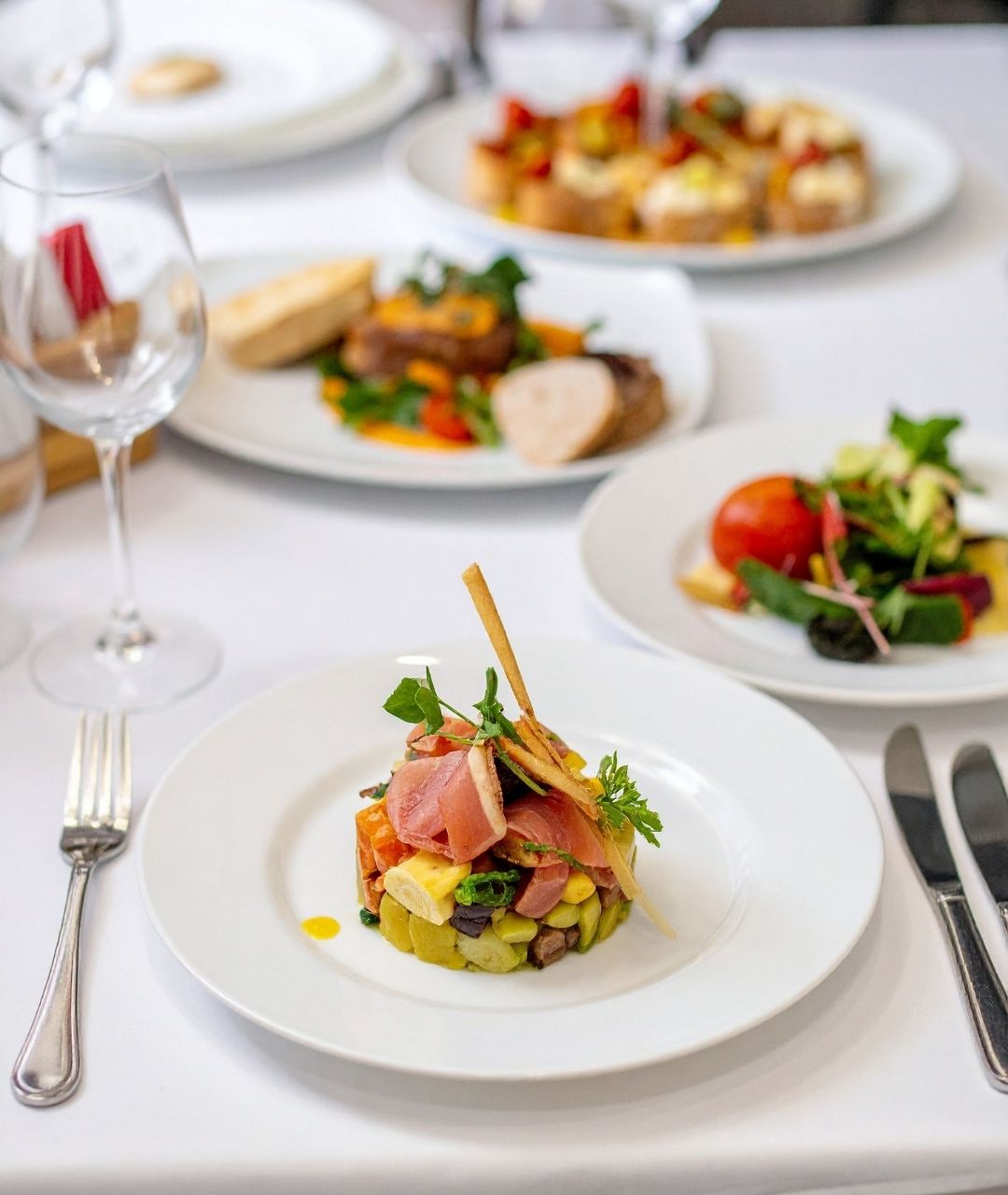

The Aveqia Hospitality Pathway

A comprehensive K–12 program that prepares students for successful careers in the hospitality, tourism, and service industries.

Built upon Virginia’s SOLs and CTE standards, it follows the same five-tier developmental framework — Awareness, Discovery, Exploration, Immersion, and Mastery — integrating academic learning with real-world hospitality experiences.

Hospitality represents one of the fastest-growing and most transferable skill industries worldwide. The Aveqia Pathway gives students the confidence, leadership, and customer service mindset needed to thrive in professional and community settings. Through team-based learning, communication training, and project experience, students develop practical skills that support careers and life readiness.

Get Involved in Apicius or Aveqia

The Apicius Culinary Arts and Aveqia Hospitality pathways thrive through collaboration — uniting educators, students, and industry champions to build a bridge between learning and life. Whether you’re teaching, studying, or leading in the field, your role helps shape the next generation of professionals who serve with skill, creativity, and heart. 

For Teachers

Get Involved:

Your Role Includes:

For Teachers

Why Get Involved:

Your Experience Includes:

For Industry Leaders & Partners

Why Get Involved:

Your Role Includes:

The Shared Impact: Together, teachers, students, and industry leaders make Thirt13n’s pathways more than classes — they become career ecosystems. Each 6-week cycle strengthens connections, builds confidence, and prepares young people for success in the real world.

Partner With Aveqia & Apicius

Help us empower students with the skills, creativity, and real-world experiences they need to thrive in culinary arts, hospitality, tourism, and service-driven careers. 

More About The

The Apicius Culinary Arts Program

What Students Learn:

  • Basic cookery and nutrition
  • Dessert creation and baking skills through the Cake & Bake Academy
  • Asian cuisine and international dishes
  • Menu planning and recipe development
  • Teamwork and kitchen organization
  • Healthy eating and sustainability practices
  • Presentation and food styling for media and content creation

Teaching Model:

Apicius includes comprehensive lesson plans, recipes, and teacher resources so it can be taught by educators of any confidence level — in school labs, afterschool programs, or hybrid learning environments. Each course provides step-by-step instruction videos from professional chefs, printable lesson materials, digital and in-person delivery options, and access to Thirt13n mentorship and professional development support for teachers.

Progressive Pathway:

  • Stage 1: Awareness & Discovery (Grades K–6) – Early exploration of flavors, teamwork, and nutrition.
  • Stage 2: Exploration (Grades 7–8) – Culinary techniques, menu design, and sustainability.
  • Stage 3: Immersion (Grades 9–10) – Applied culinary learning in labs or cafés.
  • Stage 4: Mastery (Grades 11–12) – Internships, certifications (ServSafe, ProStart), and capstone projects.
  • Stage 5: Postgraduate Pathway – Apprenticeships or partnerships with culinary and hospitality institutions leading to employment or entrepreneurship.

Access for All:

Apicius is designed to be inclusive and accessible to all learners. Schools can deliver the program as a classroom elective, extracurricular course, or hybrid module. All lesson plans, videos, and assessments are provided, ensuring every student has equal access to professional-level instruction. 

The Experience:

“A pathway from the first recipe to the professional kitchen.” Students experience the excitement of preparing real dishes, exploring global cuisines, and learning in an environment that balances creativity, precision, and purpose. Every graduate leaves Apicius not just as a cook, but as a confident leader and lifelong learner.

More About The

Aveqia Hospitality Pathway

What Students Learn:

  • Fundamentals of hospitality and tourism
  • Customer service and guest relations
  • Event planning and execution
  • Leadership and teamwork
  • Front-of-house and back-of-house operations
  • Branding, marketing, and social engagement
  • Communication and interpersonal skills
  • Sustainability and community service within hospitality
  •  

Six-Week Learning Structure:

Aveqia uses a continuous six-week structure that allows students to build, apply, and reflect on real-world skills throughout the academic year:

  • Weeks 1–2: Foundation — Introduction to hospitality themes, teamwork, and service principles.
  • Weeks 3–4: Practice — Applied projects such as school events, customer interaction simulations, and leadership rotations.
  • Week 5: Experience — Execute a school or community event, host visitors, or manage a mini pop-up service
  • Week 6: Reflection — Review performance, analyze customer feedback, and set goals for the next cycle.


Each cycle ends with documentation in the student’s Career Passport to track growth and achievement.

Progressive Pathway:

  • Stage 1: Awareness (Grades K–3) — Students learn about hospitality through fun, team-based activities like classroom hotels or community helper projects.
  • Stage 2: Discovery (Grades 4–6) — Introduces students to event planning, customer care, and teamwork through small school events or guest interactions.
  • Stage 3: Exploration (Grades 7–8) — Focuses on leadership, professionalism, and communication through elective courses and hospitality clubs.
  • Stage 4: Immersion (Grades 9–10) — Students manage school-based enterprises, assist in real hospitality operations, or shadow professionals at local venues.
  • Stage 5: Mastery (Grades 11–12) — Work-based learning, internships, and apprenticeships deepen career readiness with professional certifications such as Customer Service, Event Planning, and OSHA 10.
  • Apprenticeship Level — Students transition into paid cooperative learning experiences or postsecondary studies in hospitality, tourism management, or business leadership.

Teaching Model:

The Aveqia Pathway includes comprehensive teacher support materials: lesson plans, project guides, and performance rubrics that align with SOLs and CTE outcomes. Programs can be delivered by educators from any background through classroom, afterschool, or hybrid models. Each course includes case studies, real-world scenarios, and virtual mentorship from Thirt13n’s Industry Champions.

Access for All:

Aveqia is designed to ensure inclusivity and accessibility across all grade levels. Schools may integrate the program into electives, service-learning requirements, or afterschool enrichment. All learning materials, project templates, and digital resources are included to support flexible delivery.

The Experience:

“Where service meets purpose.” Students explore the art of creating memorable experiences for others while building leadership, confidence, and community awareness. From welcoming guests to managing school events, Aveqia empowers students to develop the heart and professionalism of true hospitality leaders.

Alignment with Virginia Standards of Learning (SOLs)

Create13 enhances Virginia’s Standards of Learning by merging creativity, career readiness, and academic objectives. Hands-on interdisciplinary projects reinforce communication, collaboration, critical thinking, and creativity while supporting SOLs across core subjects.

  • Students practice creative problem-solving, design thinking, and artistic expression across visual arts, fashion, music, and digital media.
  • Emphasis on critique, reflection, and presentation aligns directly with Fine Arts SOL competencies.
  • Storytelling, songwriting, and digital media production strengthen reading, writing, and speaking skills.
  • Structured reflections and presentations support composition and communication standards.
  • Creative projects highlight cultural identity, heritage, and the role of art in society.
  • Students examine local and global issues through design, media, and community-focused work.
  • Coding, design, and game development reinforce logic, spatial reasoning, measurement, and problem-solving.
  • Integrates computational thinking and applied mathematics in creative contexts.
  • Students build financial literacy, entrepreneurship, professionalism, teamwork, and leadership.
  • Direct alignment with Virginia’s Workplace Readiness Skills and CTE competencies.

Create13 Six-Week Rotating Career Structure

Cycle 1: Digital Art & Graphic Design

Capstone: Personal logo or brand kit.

Cycle 2: Music Production & Audio Engineering

Capstone: Original track or remix.

Cycle 3: Fashion Design & Creative Merchandising

Capstone: Simple fashion item or mini runway show.

Cycle 4: Game Design & Coding

Capstone: Playable game or level.

Cycle 5: Film, Photography & Digital Media

Capstone: Short film or photo series.

Cycle 6: Entrepreneurship & Creative Business

Capstone: Market Day showcase.

Create13 Pathway

EXCITE (Grades K–3) – Discover Creativity

  • Creative play and hands-on art activities
  • Intro to music, color, movement, and storytelling
  • School art fairs and family exhibitions
  • “My First Design” mini-projects

ENGAGE (Grades 4–6) – Explore Creative Fields

  • Intro workshops in drawing, digital art, and instrument basics
  • Visits to local creative studios and community art spaces
  • Collaborative class projects
  • Early introduction to creative technology

EDUCATE (Grades 7–8) – Build Skills & Identity

  • Visual, media, and performing arts coursework
  • Workshops with guest artists and industry mentors
  • Leadership and goal-setting sessions
  • Financial literacy for young creators
  • Middle school 'Mini Market'

EMPOWER (Grades 9–12) – Create & Lead

  • Portfolio development and college preparation
  • Paid internships and externships
  • Guest artist and designer intensives
  • Creative Career Fair and networking events
  • Advanced studio courses

EVOLVE (Postsecondary/Apprenticeship) – Launch & Lead

  • Creative industry apprenticeships
  • University and industry partnerships
  • Business startup support through P4ct
  • Alumni showcases and mentorship