
About & Objectives
Why Race2Success Matters
Race2Success connects students’ natural excitement for cars and racing to powerful academic and career skills. It boosts engagement, strengthens STEM foundations, introduces real engineering applications, and prepares students for future careers across engineering, transportation, sustainability, IT, and media. Motorsports becomes the hook; STEM, innovation, and green technology become the outcome.
How Motorsports Teaches STEM, Engineering & Technology
- Engineering: car design, structure-function, prototyping, testing, and redesign.
- Technology: digital measurement tools, sensors, simulations, CAD (middle/high school), EV systems.
- Mechanics: axles, wheels, bearings, stability, propulsion, weight distribution.
- Math: measurement, ratios, geometry, graphing, data analysis.
- Science: force, motion, energy, friction, aerodynamics, renewable energy systems.
Sustainability Integration (Green4Life)
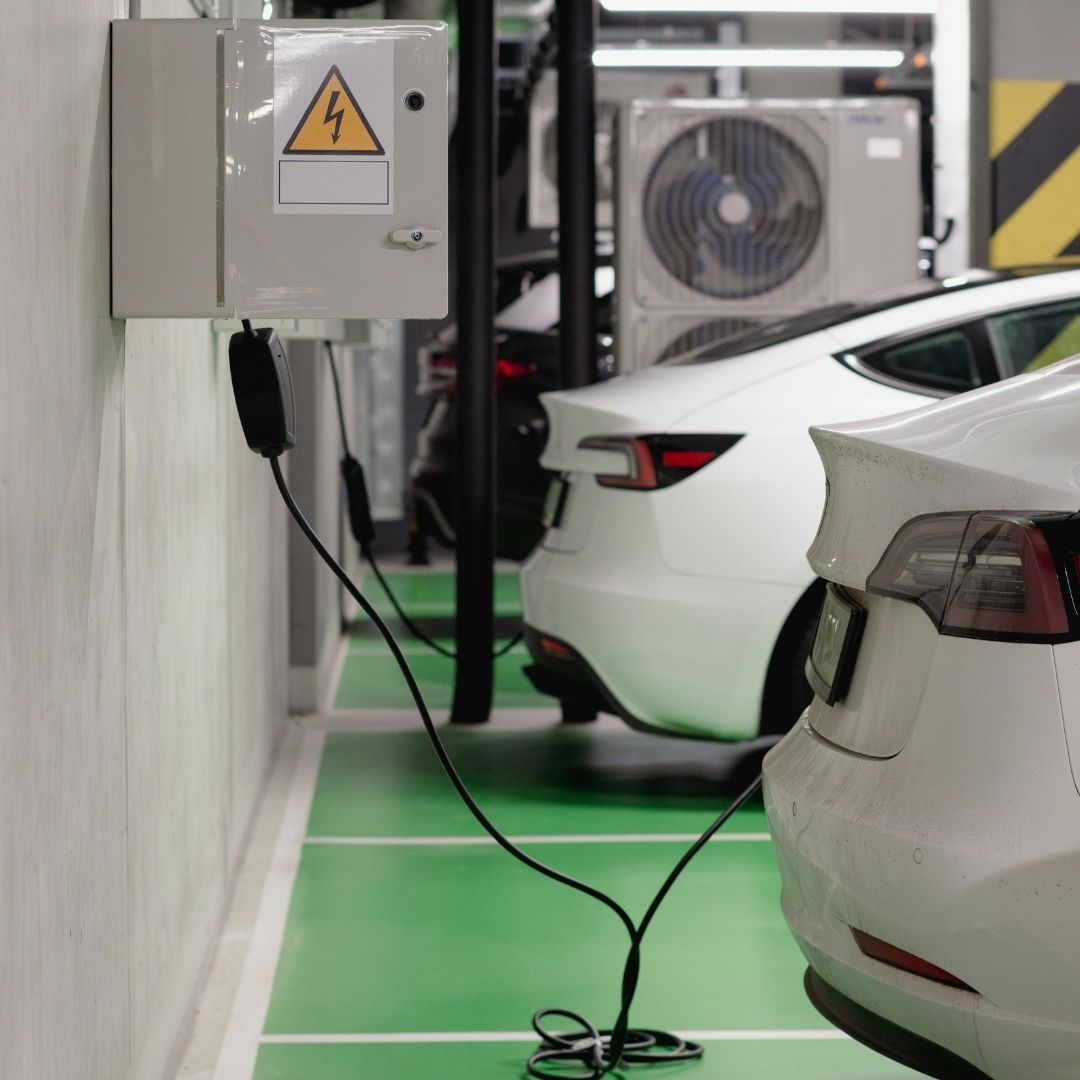
Sustainability is embedded in every grade tier, not separate. Students learn renewable energy, solar power, EV systems, energy efficiency, eco-friendly design, environmental impact, and waste reduction through hands-on engineering challenges.
Six-Week Cycle
- Week 1 – Kickoff & Inspiration
- Week 2 – STEM, Engineering & Energy Foundations
- Week 3 – Design & Planning
- Week 4 – Build & Test
- Week 5 – Improve & Redesign
- Week 6– Showcase (Race Day + Innovation Expo)
Alignment to National Standards
- NGSS: engineering design, energy, motion, systems thinking, environmental impact.
- Math Standards (NCTM): measurement, geometry, ratios, data analysis, modeling.
- ISTE Technology: digital tools, simulations, computational thinking, emerging tech.
- CTE Pathway Standards: engineering, transportation, STEM, manufacturing, IT.
- Environmental Standards: renewable energy, EV systems, sustainability.
Program Pipeline
Kickstart
K-2 | Spark & Imagination
Students explore motion, ramps, wheels, shapes, colors, simple machines, and basic energy concepts. They build simple car models using recyclable materials and learn the foundation of engineering design through guided play and curiosity-driven learning.
Pitstop
Grades 3-5 | Foundation & Curiosity
Students build more advanced cars, measure performance, graph data, and apply design thinking. They learn how material choice, weight, geometry, and structure affect speed and distance. Renewable energy and sustainable materials are introduced.
Accelerate
Grades 6-8 | Exploration & Skill Building
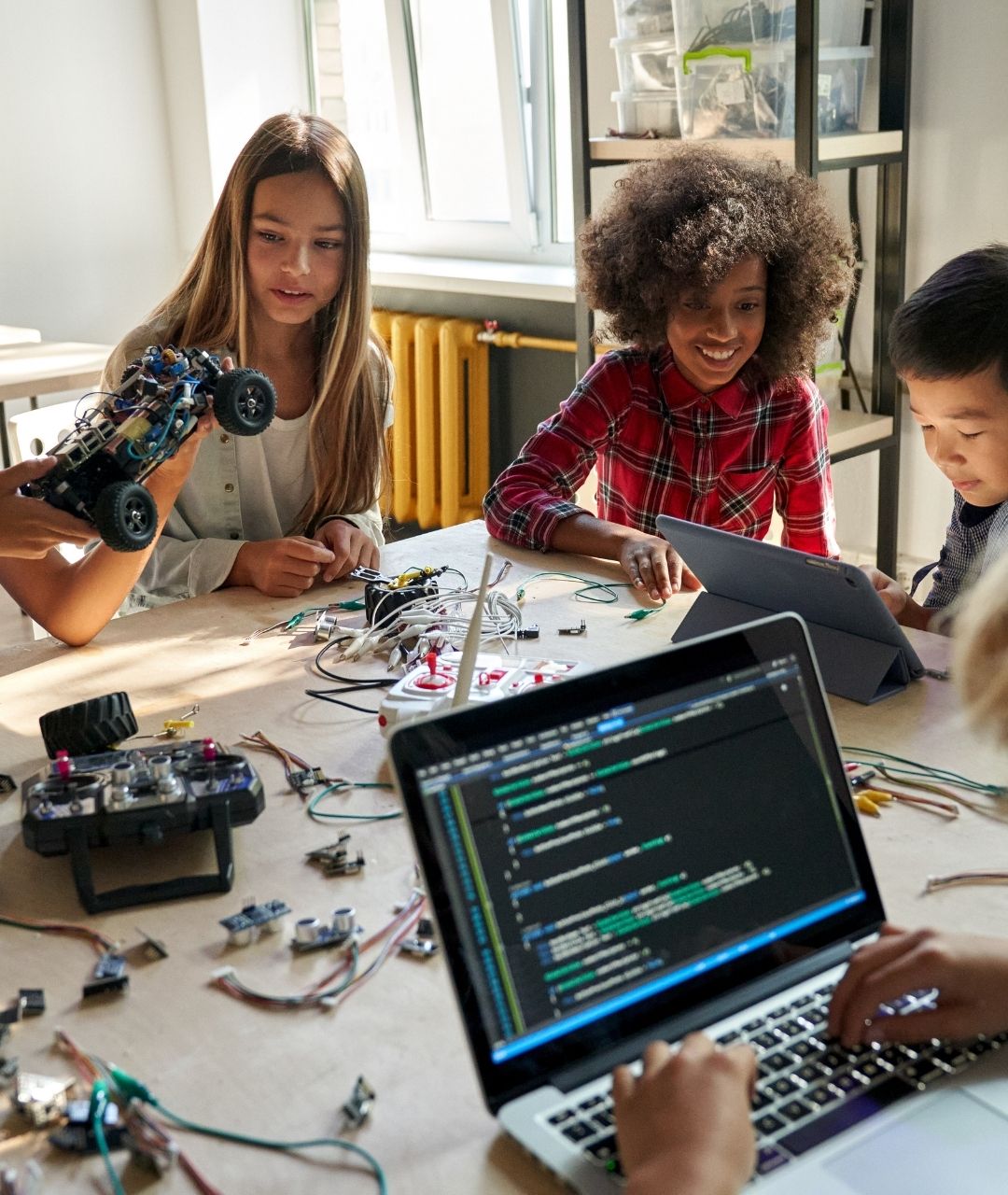
Students work in engineering teams, develop prototypes, test designs, analyze data, and refine solutions. They explore mechanical systems (friction, drag, propulsion), basic CAD concepts, digital measurement tools, and eco-design principles that improve efficiency and reduce environmental impact.
Pro Drive
Grades: 9-12 | Pathways & Career Readiness
High school students engage in advanced engineering design, CAD software, electrical concepts, fabrication, simulation, EV energy systems, sustainable engineering, and racing team operations. They explore motorsports careers in engineering, business, media, design, logistics, safety, and sustainability, supported by industry mentors and real-world experiences.
How Teachers, Volunteers, and Industry Partners Power Race2Success
The program offers ongoing workshops, training sessions, and curriculum coaching, led by experienced educators and industry professionals. Teachers receive the tools and support needed to integrate construction-related learning into their classrooms while aligning with state standards.
For Teachers & Facilitators
Teachers deliver Race2Success lessons, coordinate build activities, manage student teams, communicate with mentors, and run final showcases.
Teacher Questions (Readiness): What STEM concepts students already know, comfort with hands-on learning, grouping strategies, available space for building and testing, scheduling for Race2Success sessions, family involvement plans, assessment and reflection methods.
Teacher Training Topics: Motorsports as an educational tool, safety guidelines, engineering notebooks, inclusive classroom strategies, race-day management.
For Volunteers & Mentors
Volunteers support hands-on activities, share career stories, assist students in solving problems, and encourage creativity.
Volunteer Questions: Preferred age group, STEM areas volunteers feel confident supporting, weekly availability, interest in leading mini-lessons, comfort supporting on race day, career or life lessons they can share.
Volunteer Training Topics: Youth engagement, encouraging problem-solving, safety and supervision, communication strategies, inclusive mentoring.
Sponsor & Industry Partners
Sponsors provide funding, materials, mentorship, site visits, internships, and industry
expertise.
Sponsor Questions: Workforce needs, preferred grade bands, ability to host field trips, interest in sponsoring competitions or showcases, preferred recognition methods, openness to offering internships for high school students.
Sponsor Benefits: Branding and visibility, CSR alignment, workforce pipeline development, support for local schools, participation in Race2Success expos.
FAQs
Yes. Across the pathway:
- Elementary (K–5): Students build small model-scale cars.
- Middle School (6–8): Students design and build go-kart–style vehicles using safe, age-appropriate materials and structured engineering guidance.
- High School: Schools with automotive/CTE programs may build full-size or advanced vehicle projects, including electric carts, fabrication prototypes, or renewable-energy vehicles.
No. The program is designed for all learners with gradual skill-building.
It can be delivered during science, math, STEM blocks, after-school programs, or CTE-aligned pathways.
Yes. All activities use school-safe materials.
- Middle school go-kart builds follow strict safety procedures.
- High school builds occur only under certified instructors following district safety guidelines.
Engineering, mechanics, digital tools, measurement, data analysis, energy systems, renewable energy, problem-solving, teamwork, communication, and sustainable design.
Six weeks, with flexibility to extend to 8–10 weeks.
Yes. Renewable energy, EV concepts, eco-design, environmental impact, and waste reduction are integrated into every grade level.
Aligned with:
- NGSS (motion, energy, engineering design)
- NCTM math standards
- ISTE technology standards
- CTE engineering, transportation & STEM clusters
- Environmental & sustainability standards
Mechanical/electrical engineering, automotive tech, fabrication, data analytics, simulation, transportation, media, business operations, and environmental engineering.
Yes. Builds are scalable for different budgets and facilities.
Yes. Many schools use partnerships for mentorship and technical support. All partners follow district background-check requirements.
No. Students interested in design, coding, technology, business, environment, and media also excel in this program.
Schools complete a participation form, identify a program lead, choose grade levels, and schedule training.
Join the Race to Empower Students
Your involvement helps students discover STEM, build confidence, and explore real careers in the automotive and motorsports industries.